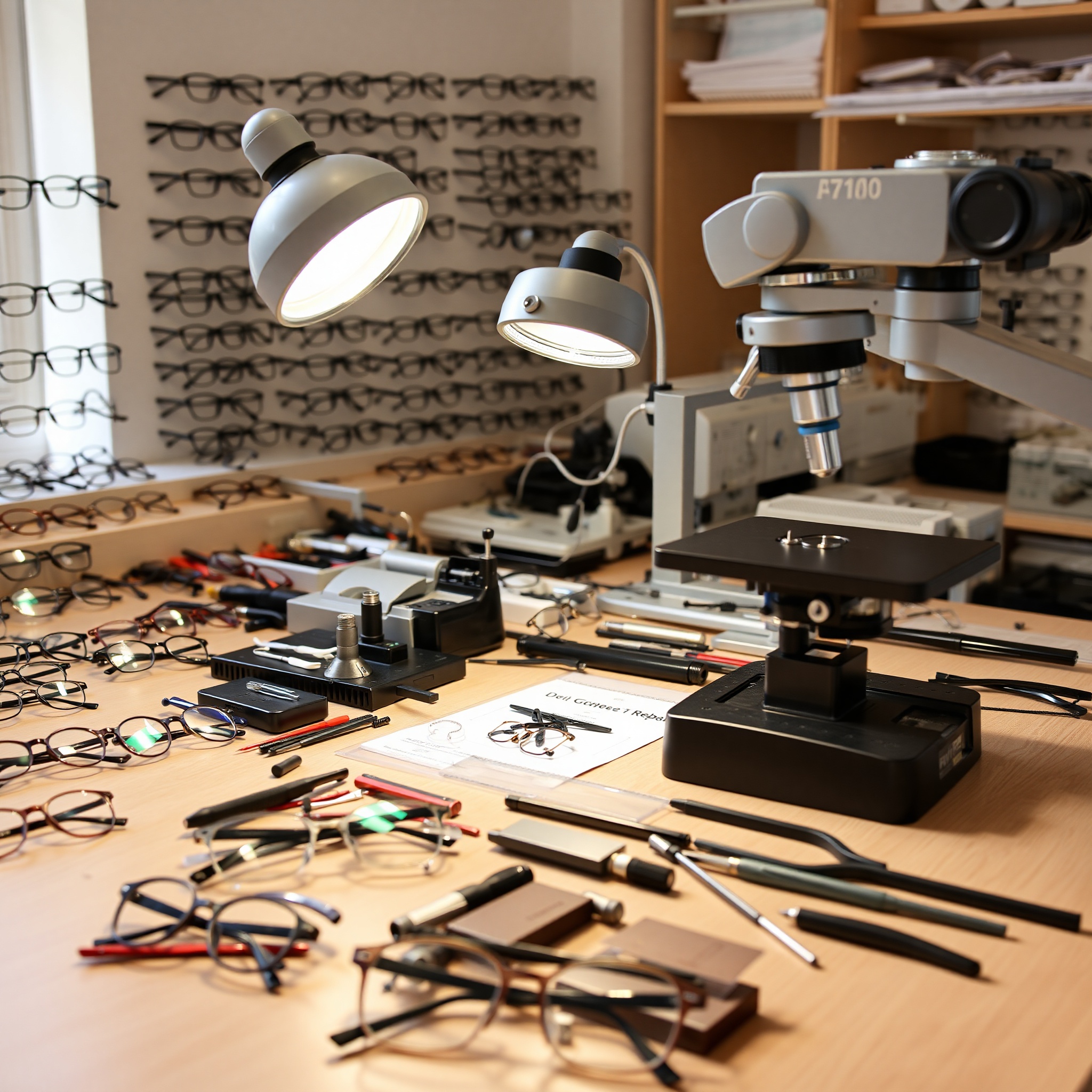
Nose Pad Replacement and Bridge Adjustments
Discover professional techniques for replacing worn nose pads and adjusting bridge height to enhance comfort, prevent slipping, and extend the life of your eyeglasses. Learn when replacement is necessary and how to maintain optimal fit.
Understanding Nose Pads: Why They Matter
Nose pads are among the most frequently overlooked components of eyeglasses, yet they play a crucial role in overall comfort and functionality. These small silicone or plastic pieces sit directly on your nose, bearing the weight of your frames throughout the day. Over time, nose pads deteriorate from constant contact with skin oils, sweat, and environmental exposure, leading to discomfort, slipping frames, and reduced optical alignment.
Warning Signs Your Pads Need Replacement
- Visible cracks, discoloration, or hardening of silicone
- Frames slipping down frequently during daily wear
- Redness or irritation marks on your nose
- Noticeable reduction in grip or cushioning
- Pads that have flattened or become sticky
The bridge of your frames—the part connecting the two lens sections—also requires regular attention. An improperly adjusted bridge can cause pressure points, uneven weight distribution, and chronic discomfort. Many people don’t realize that bridge height adjustments can transform their wearing experience, making glasses feel like they were custom-fitted just for them.
The Nose Pad Replacement Process
Assessment and Selection
Begin by examining your current nose pads carefully. Professional optical technicians assess pad condition, measure the attachment points, and identify the correct replacement size. Modern eyeglass frames come in various nose pad configurations—threaded metal posts, adhesive pads, or integrated plastic systems. Selecting the correct replacement type is essential for proper fit and longevity.
Removal of Old Pads
For threaded pads, technicians use specialized tools to unscrew and remove the old components gently, ensuring no damage to the surrounding frame material. Adhesive pads require careful prying and cleaning to remove residual glue. This step demands precision—excessive force can crack or strip the frame bridge, requiring more extensive repairs.
Surface Preparation and Cleaning
The mounting area must be thoroughly cleaned and prepared. Any residual adhesive or debris is removed, and the surface is dried completely. For threaded posts, professionals verify threads are intact and not stripped. For adhesive mounting, the surface is gently roughened to ensure maximum adhesion of new pads, improving durability and preventing premature separation.
Installation of New Pads
New nose pads are installed with proper alignment and tension. For threaded systems, pads are screwed in until snug—not overly tight, which can damage the silicone. For adhesive pads, high-quality optical adhesive is applied, and pads are pressed firmly into place. The installation must ensure both pads sit at identical heights to maintain symmetrical weight distribution.
Quality Testing and Adjustment
After installation, frames are tested for fit, comfort, and stability. The technician verifies that pads grip properly, frames sit level on the nose, and no pressure points exist. Minor adjustments to pad angle or position may be made to optimize comfort. The glasses should feel stable during head movement and not slip when tilted.
Bridge Adjustments: Achieving Perfect Fit
The bridge height and position directly influence how weight is distributed across your nose and face. Many people wear eyeglasses with improperly adjusted bridges, leading to chronic headaches, nose pressure, and premature pad wear. Professional bridge adjustments involve carefully bending or repositioning the bridge structure to match your unique nose anatomy.
Types of Bridge Adjustments
- Height Adjustment: Raising or lowering the bridge to distribute weight more evenly across nose pads, reducing pressure points and improving comfort during extended wear.
- Width Adjustment: Narrowing or widening the distance between nose pads to match your nose bridge width, ensuring pads contact the nose properly without gaps or excessive pressure.
- Angle Adjustment: Tilting the bridge to accommodate individual nose contours, preventing frames from tilting and maintaining proper optical alignment with your eyes.
- Forward/Backward Positioning: Moving the bridge forward or backward to optimize distance between lenses and your eyes, improving visual clarity and comfort.
Professional opticians use specialized tools and techniques to make these adjustments without damaging frame integrity. The process requires understanding both frame design and individual anatomical variations, making it a service best performed by experienced technicians rather than attempted at home.
Maintenance Tips for Extended Pad Life
Daily Cleaning
Clean nose pads daily with a soft, damp cloth to remove skin oils, sweat, and debris. Use lukewarm water and mild soap. This prevents buildup that accelerates pad degradation and maintains better grip on your nose.
Protect from Heat
Avoid prolonged exposure to direct sunlight and extreme heat. Silicone pads soften and lose elasticity when exposed to high temperatures, reducing their effectiveness and lifespan significantly.
Gentle Handling
Remove glasses gently by holding the bridge, not the nose pads. Never pinch or squeeze pads when adjusting frames. Rough handling accelerates wear and can crack pads prematurely.
Professional Inspection
Have your glasses professionally inspected twice yearly. Technicians can identify early signs of pad degradation and perform preventive maintenance, extending overall frame life.
Pro Tip: Store your glasses in a protective case when not wearing them. This reduces accidental damage to nose pads and prevents them from drying out or hardening from environmental exposure.
When to Seek Professional Help
While minor pad wear is normal, certain situations require professional attention. If you experience persistent discomfort, frequent slipping, or visible damage to pads or bridge, consult an optical professional immediately. Attempting complex repairs without proper training can worsen problems and result in costly frame damage.
Don’t DIY These Repairs
Complex bridge adjustments, especially on designer or specialty frames, should only be performed by certified opticians. Improper adjustments can misalign lenses, damage frame coatings, or compromise structural integrity. Professional service ensures your glasses function optimally and last longer.
Most optical shops offer affordable nose pad replacement services that can be completed within hours. This investment in maintenance prevents larger problems, maintains your optical prescription alignment, and ensures comfortable, confident wear of your eyeglasses.