Daily Maintenance and Prevention of Common Damage
Your eyeglasses are a precious investment in your vision and daily comfort. Learn essential care techniques, prevention strategies, and maintenance routines that will extend the lifespan of your frames and lenses while keeping them crystal clear and functioning optimally.
Why Proper Eyeglass Maintenance Matters
Eyeglasses represent a significant investment in your visual health and personal appearance. Whether you wear prescription lenses for daily vision correction or protective glasses for specific activities, proper maintenance is essential. Regular care prevents common damage, maintains optical clarity, and ensures your glasses remain comfortable and functional for years to come.
Many people don’t realize that small, preventable damage can accumulate over time, leading to costly repairs or premature replacement. Scratches, loose screws, bent frames, and cloudy lenses are among the most common issues we see in our repair shop. The good news is that most of these problems can be avoided with simple daily care practices and awareness of potential hazards.
This comprehensive guide will walk you through proven techniques for cleaning, storing, and protecting your eyeglasses, ensuring they remain in pristine condition and serve you well for many years ahead.
Daily Maintenance Routine
Establishing a simple daily maintenance routine is the foundation of long-lasting eyeglasses. These practices take only minutes each day but can prevent most common issues. Consistency is key – by making these habits automatic, you’ll significantly reduce the risk of damage.
Proper Cleaning Technique
Rinse your glasses under lukewarm running water to remove dust and debris. Use a small drop of mild dish soap on your fingertips to gently clean both sides of the lenses and the frame. Rinse thoroughly and pat dry with a microfiber cloth. Never use paper towels or your shirt, as these can cause scratches.
Microfiber Cloth Care
Always use the provided microfiber cloth for drying and cleaning lenses. Wash your cloth monthly with mild soap and warm water, then air dry completely. Replace the cloth every 12-18 months or when it becomes worn. Keep your cloth in a clean pocket or case to prevent dirt accumulation that could scratch lenses.
Two-Hand Removal
Always remove your glasses using both hands. Hold the frame firmly on both sides when taking them off or putting them on. This prevents stress on individual hinges and reduces the risk of bending or misalignment. Never toss your glasses or handle them carelessly.
Regular Screw Checks
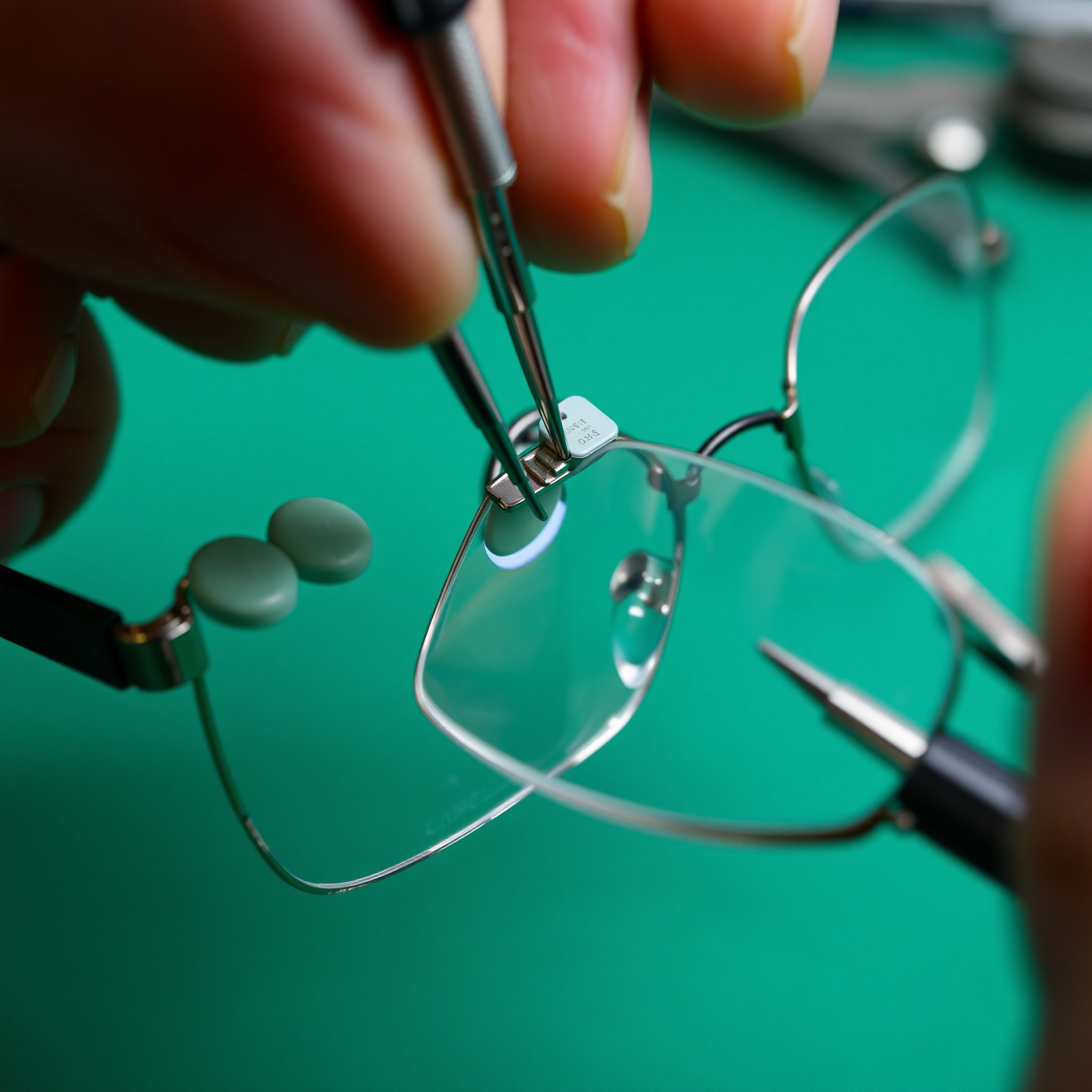
Check all screws connecting the frame, temples, and hinges weekly. Gently tighten any loose screws using an appropriate eyeglass screwdriver. Be careful not to over-tighten, as this can strip the threads or crack the frame material. If screws frequently come loose, they may need professional replacement.
Preventing Common Damage
Understanding how damage occurs is the first step in prevention. Most eyeglass damage results from preventable accidents or environmental factors. By recognizing these risks and taking appropriate precautions, you can keep your glasses in excellent condition.
Scratched Lenses
Scratches are among the most common lens damage. Prevent them by never setting your glasses lens-down on hard surfaces, using a protective case when not wearing them, and always cleaning with a microfiber cloth rather than paper towels or clothing. Store glasses in a padded case during transport and avoid placing items on top of your glasses case.
Bent or Misaligned Frames
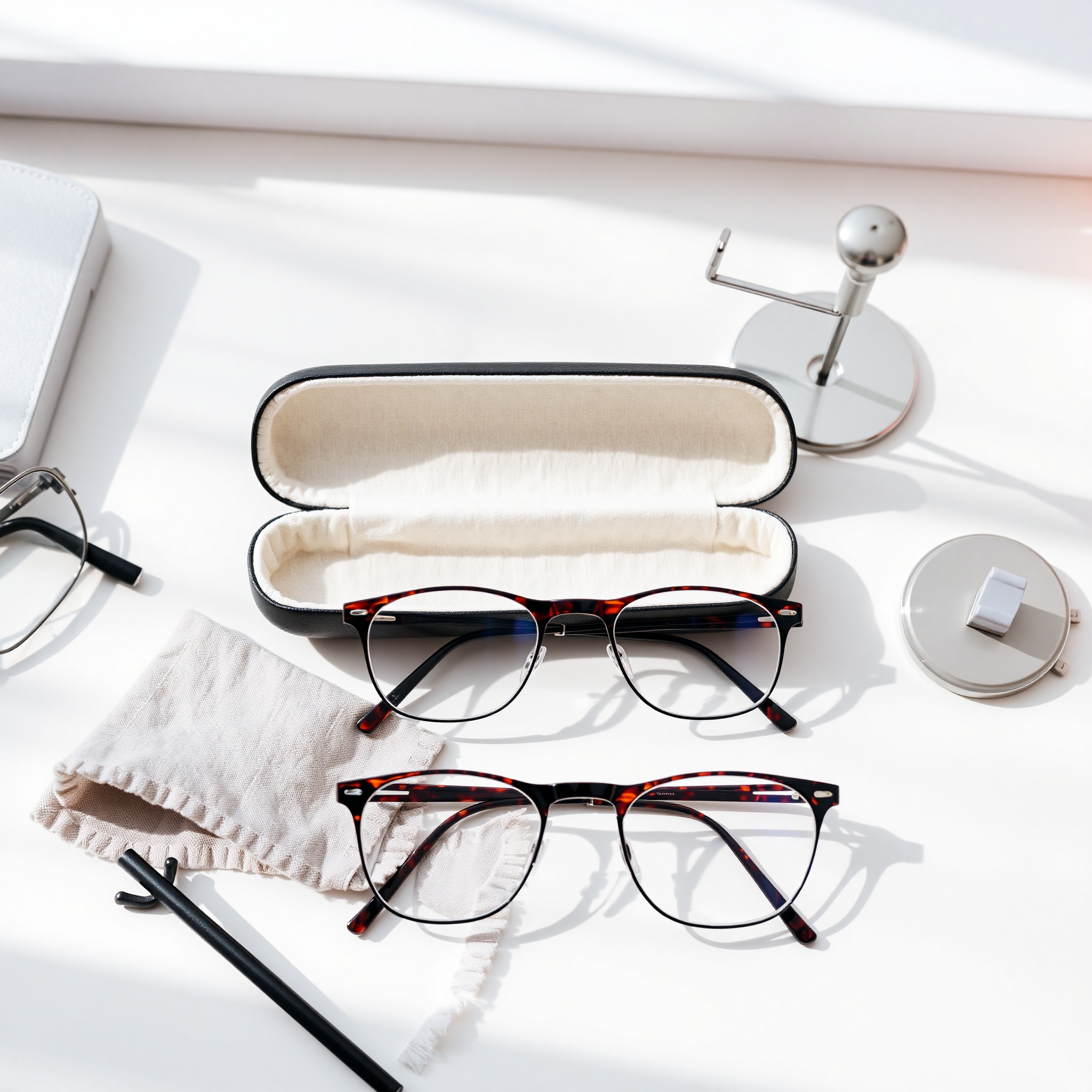
Frames can bend from sitting on them, storing them improperly, or dropping them. Always use a case designed for your glasses frame style. Never place glasses in back pockets or on top of your head for extended periods. When storing at home, keep them on a designated glasses stand or in a protective case, not loose on nightstands or desks.
Hinge and Temple Damage
Hinges are vulnerable to stress when glasses are removed with one hand or bent excessively. Always use both hands to remove your glasses, and never force the hinges beyond their normal range of motion. If you notice any grinding or unusual resistance when opening the hinges, have them inspected by a professional immediately.
Environmental Damage
Extreme heat, cold, humidity, and direct sunlight can damage both lenses and frames. Never leave glasses in hot cars, direct sunlight, or near heating vents. Extreme temperature changes can cause lens coatings to separate or frames to warp. Store glasses in a cool, dry place when not in use, ideally at room temperature.
Chemical and Liquid Damage
Avoid exposing your glasses to harsh chemicals, chlorine, saltwater, or strong cleaning products. These can damage lens coatings and frame materials. If your glasses get wet from water, dry them immediately with your microfiber cloth. Keep glasses away from hairspray, perfume, and sunscreen, which can degrade coatings.
Storage and Protection Strategies
How you store your glasses when you’re not wearing them is just as important as how you handle them during daily use. Proper storage protects against accidental damage and environmental factors that can deteriorate your eyeglasses over time.
Essential Storage Tips
Invest in a quality protective case specifically designed for your frame style. Hard cases offer superior protection for everyday storage and transport, while soft cases work well for short-term protection. Always store your glasses with the lenses facing upward to minimize pressure on the frame.
- Keep your case clean and dry – moisture inside the case can damage coatings
- Store glasses in a cool location away from heat sources, sunlight, and humidity
- Designate a specific spot at home for your glasses to prevent misplacing them
- Never store glasses with other items that could cause pressure or scratching
- For extended storage (weeks or months), place silica gel packets in the case to absorb moisture
- Check your stored glasses periodically for any signs of moisture or damage
Consider keeping a backup pair of glasses if possible. This allows one pair to be cleaned and rested while you wear the other, reducing daily wear on any single pair. Rotating between pairs can extend the lifespan of both. Additionally, having a backup pair ensures you can continue your daily activities if your primary glasses need professional repair.
Invest in Your Vision’s Future
Proper daily maintenance and prevention of common damage doesn’t require complicated procedures or expensive products. By incorporating these simple habits into your daily routine – rinsing with water, using your microfiber cloth, handling with two hands, and storing properly – you can significantly extend the lifespan of your eyeglasses and maintain optimal visual clarity.
Remember that eyeglasses are both a functional necessity and a personal investment. Treating them with care demonstrates respect for this important tool that helps you see the world clearly. When damage does occur despite your best efforts, professional repair services can often restore your glasses to like-new condition at a fraction of replacement cost.
Start implementing these maintenance strategies today. Your future self will appreciate the clear vision and functional eyeglasses that result from your consistent care. Should you ever need professional assistance with repairs, adjustments, or maintenance, don’t hesitate to consult with experienced eyeglass repair specialists who can provide expert guidance specific to your frame and lens materials.