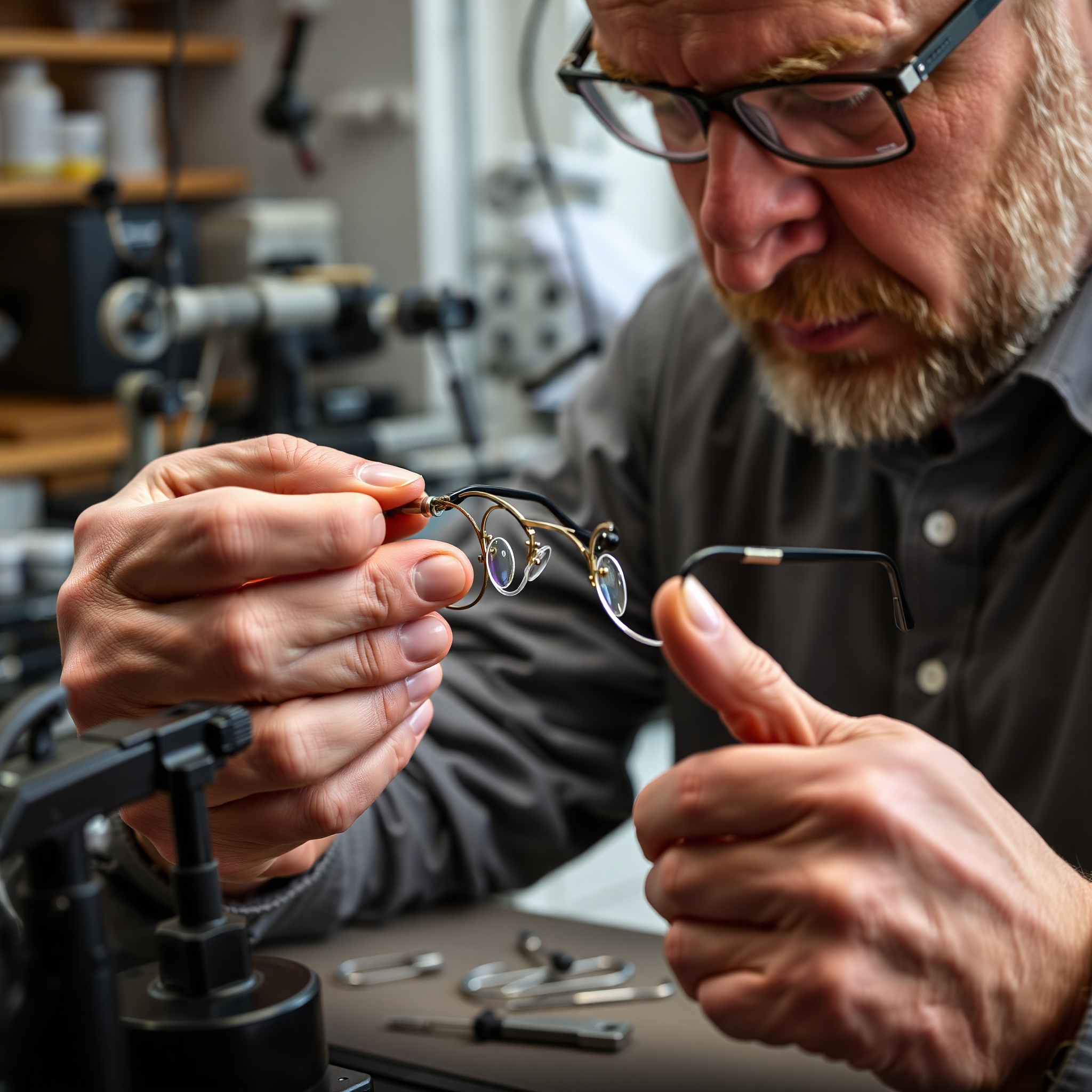
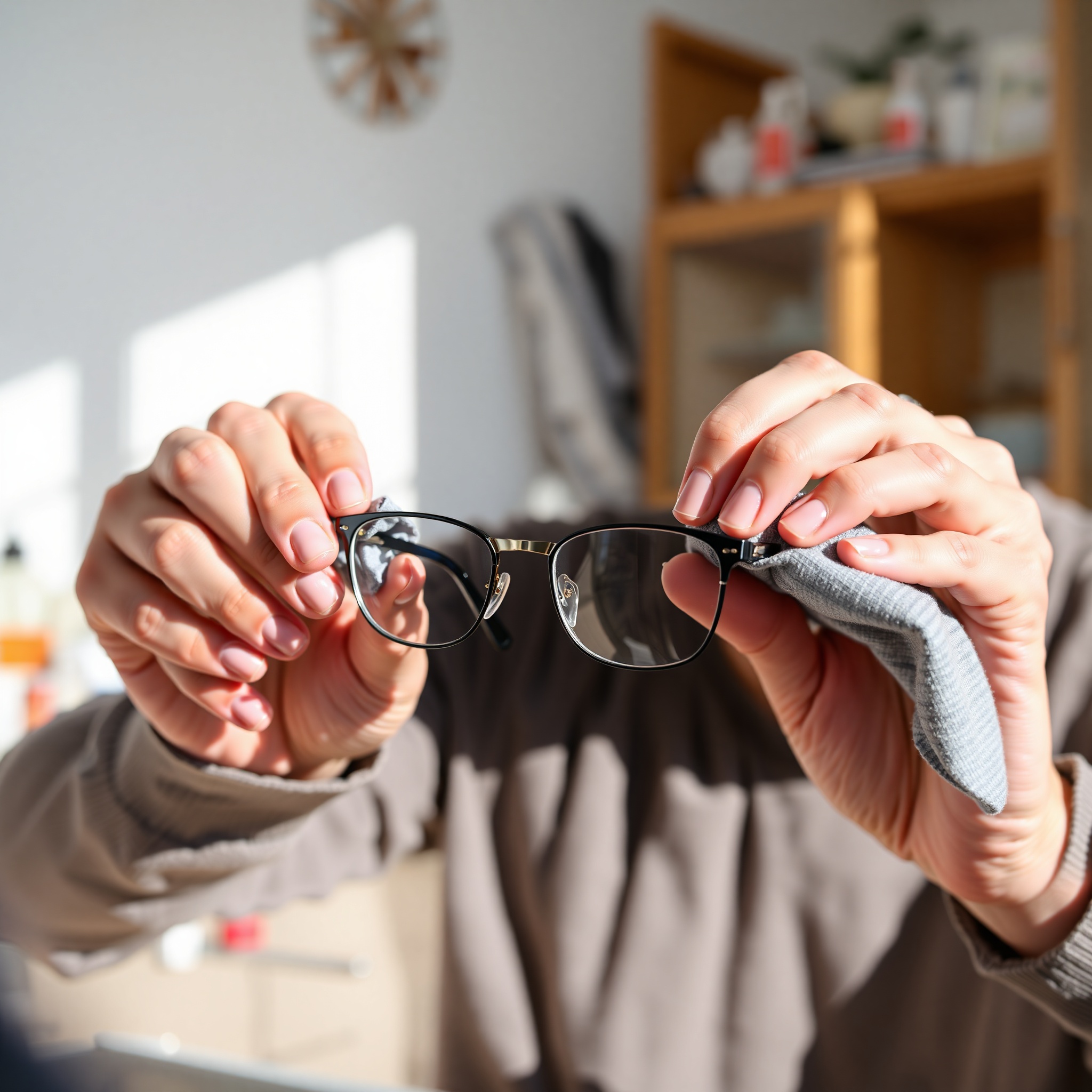
Lens Replacement: When and How to Replace Your Lenses
Discover the complete guide to understanding when your eyeglass lenses need replacement, the step-by-step replacement process, and how to select the perfect replacement lenses for your frames to maintain clear vision and comfort.
When Is It Time to Replace Your Lenses?
Your eyeglass lenses are essential for clear vision, but they don’t last forever. Several factors determine when replacement becomes necessary. Whether your lenses have become damaged, your prescription has changed, or they’re simply worn out from years of use, recognizing the signs of lens degradation helps you maintain optimal vision and eye health.
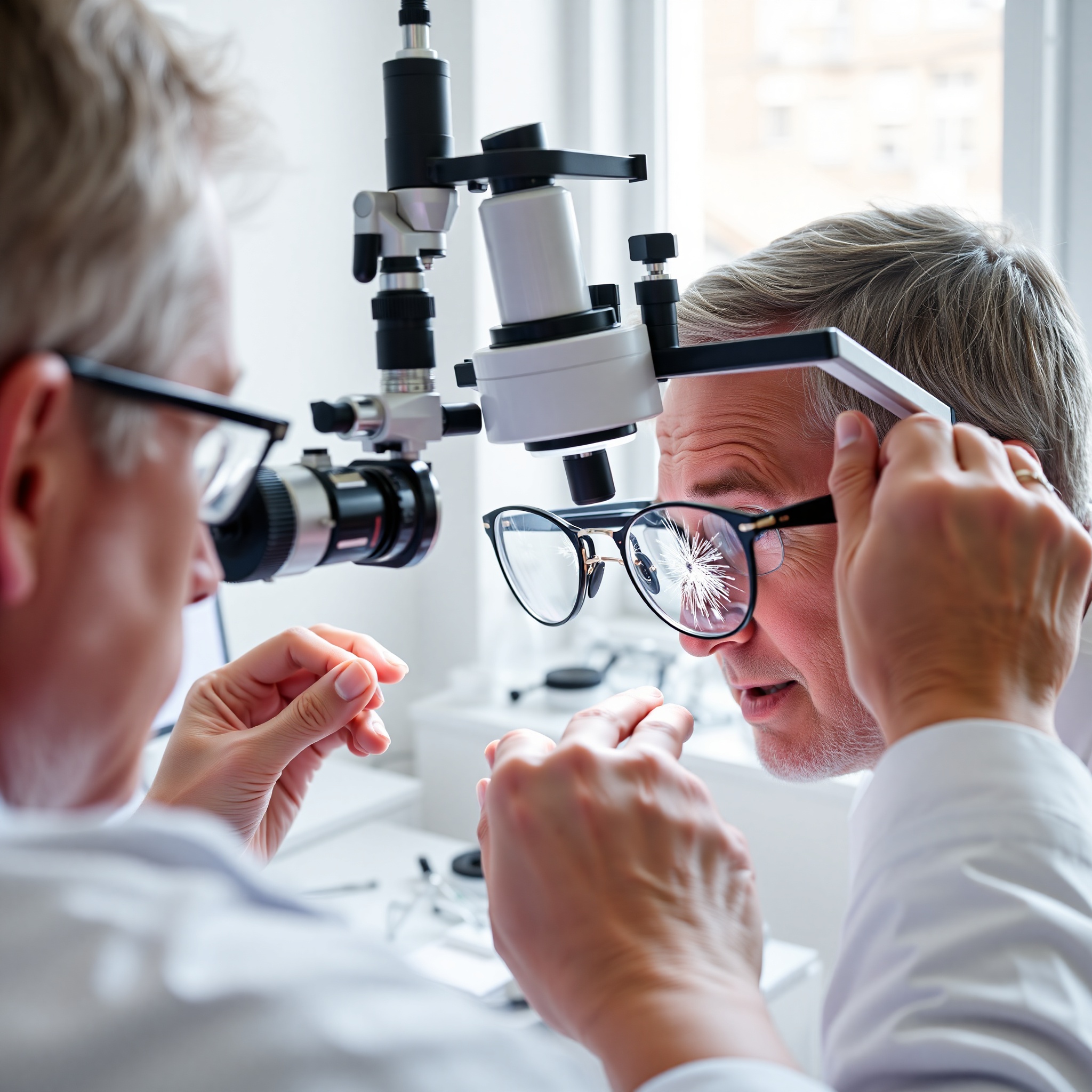
Common signs that your lenses need replacement include persistent scratches that impair your vision, chips or cracks from impacts, discoloration or yellowing that develops over time, and coatings that have become damaged or peeling. Additionally, if your prescription has changed significantly during your annual eye exam, your current lenses may no longer provide the correction your eyes need for sharp, comfortable vision.
Key Signs Your Lenses Need Replacement:
- Visible scratches or cloudiness: Even minor scratches can scatter light and reduce visual clarity, making daily activities more difficult
- Chips, cracks, or breaks: Structural damage compromises lens integrity and may cause discomfort or eye strain
- Coating deterioration: Anti-reflective, anti-scratch, or UV-protective coatings gradually wear away and lose effectiveness
- Prescription changes: Updated prescriptions ensure your lenses match your current vision needs for optimal clarity
- Lens discoloration: Yellowing or browning indicates material degradation and potential UV protection loss
- Persistent vision problems: Blurriness, double vision, or increasing eye strain may indicate lens replacement is overdue
The Lens Replacement Process: Step-by-Step Guide
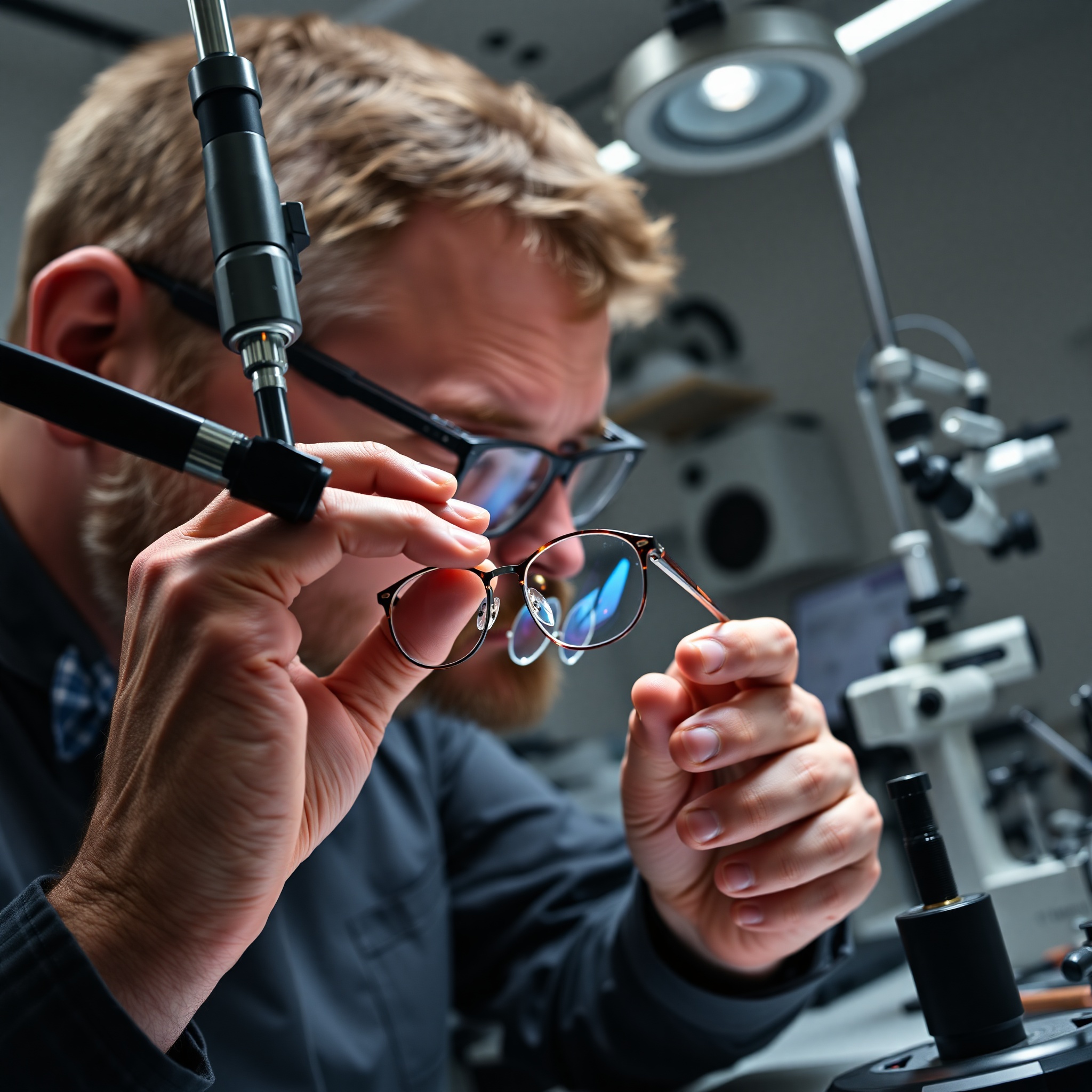
Understanding the lens replacement process helps you know what to expect when visiting a professional optician or eyecare center. While some frame materials can be more challenging than others, experienced professionals follow a careful procedure to ensure your replacement lenses are properly fitted and secured in your frames without causing damage.
Choosing the Right Replacement Lenses
Selecting replacement lenses involves more than just matching your current prescription. Today’s lens technology offers numerous options to enhance your vision quality, protect your eyes, and extend lens lifespan. Understanding these choices helps you invest in lenses that best suit your lifestyle and visual needs.
Expert Recommendation
When choosing replacement lenses, prioritize UV protection and anti-reflective coatings as foundational features. Then select additional coatings based on your lifestyle—blue light filtering for digital workers, photochromic for outdoor enthusiasts, and high-index materials if you have a strong prescription. Discuss your specific needs with your optician to find the optimal combination for your situation.
Invest in Clear Vision
Replacing your eyeglass lenses when needed is an investment in your vision quality and eye health. Whether you’re dealing with scratched lenses, a changed prescription, or simply worn-out coatings, understanding the replacement process and available lens options empowers you to make informed decisions. By working with experienced opticians and selecting high-quality replacement lenses with appropriate protective coatings, you ensure that your eyeglasses continue to provide the clear, comfortable vision you depend on for daily life. Don’t compromise on your eyesight—when replacement time comes, choose quality lenses and professional installation to maximize visual clarity and lens longevity.