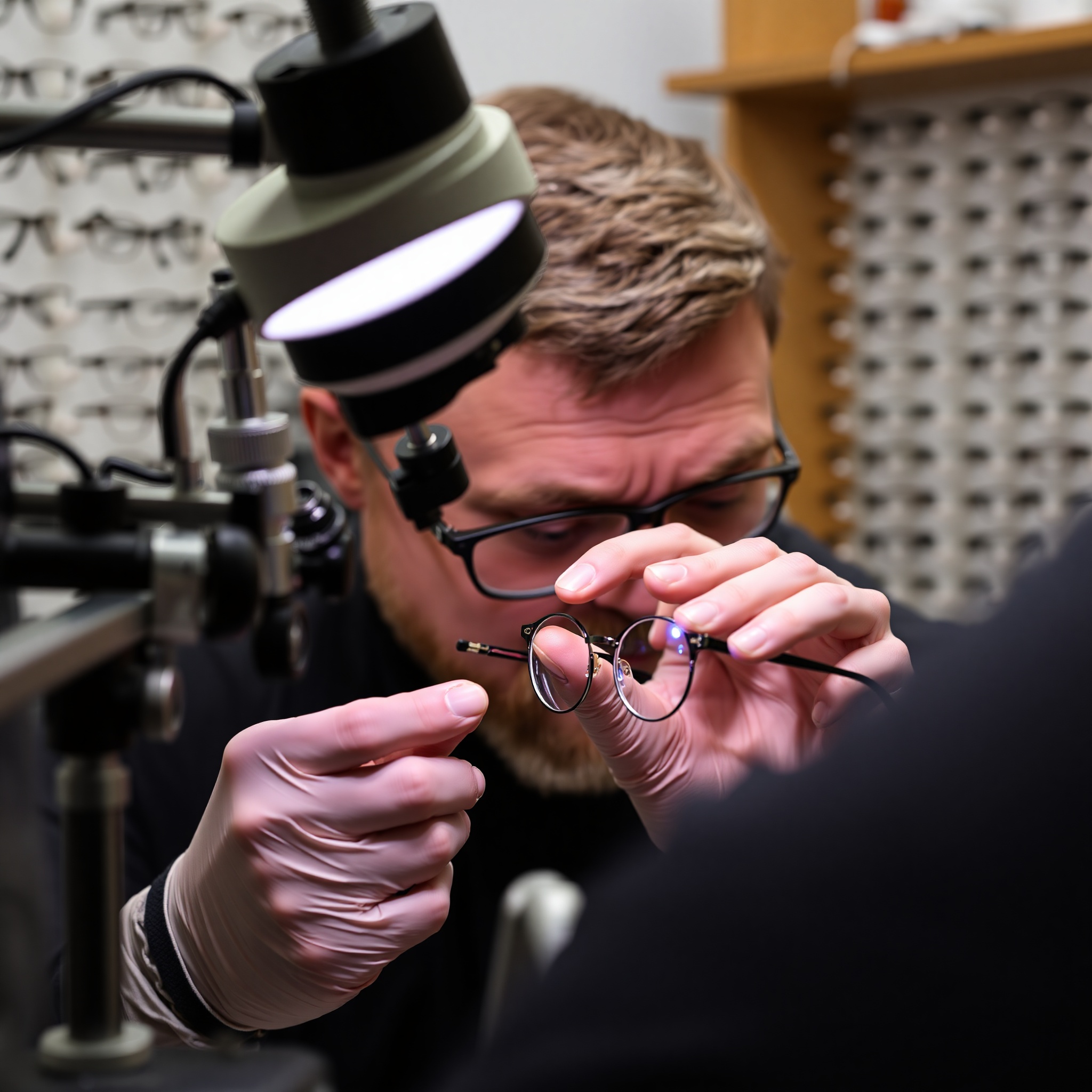
Complete Guide to Frame Repair and Adjustment
Master professional techniques for fixing bent frames, tightening screws, and adjusting temple arms. Learn how to restore comfort and functionality to your eyeglasses with step-by-step instructions and expert tips.
Why Frame Care Matters
Your eyeglasses are a significant investment and essential for daily life. However, frames can experience wear and tear from daily use, accidental drops, or improper storage. Rather than immediately replacing your glasses, many common issues can be resolved with basic repair and adjustment techniques.
Understanding how to properly maintain and repair your frames extends their lifespan, improves your visual comfort, and saves you money on replacement costs. This comprehensive guide walks you through the most common frame repairs and adjustments that anyone can perform at home.
Diagnosing Frame Problems
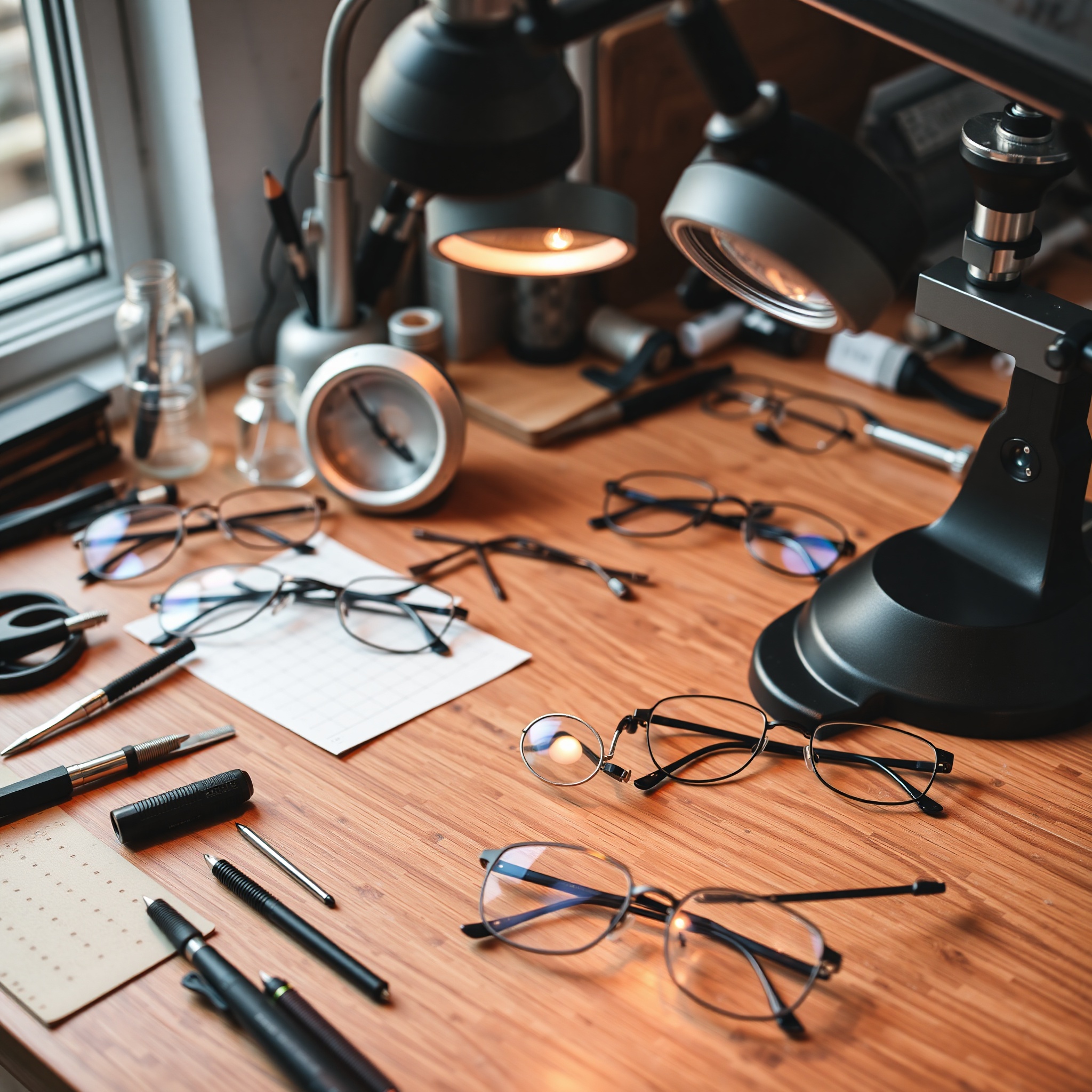
Before attempting any repairs, it’s essential to properly identify what’s wrong with your frames. Different issues require different solutions, and misdiagnosing the problem can lead to ineffective repairs or further damage. Take time to examine your glasses carefully under good lighting.
The most common frame issues fall into several categories. Loose or missing screws cause temples to rattle and frames to feel unstable. Bent or twisted frames create uneven weight distribution and visual distortion. Worn nose pads affect comfort and frame stability on your face. Bridge adjustments become necessary when frames sit too high or too low, causing discomfort or vision problems.
- Loose screws at temple hinges or bridge
- Bent or twisted frame material
- Worn, cracked, or missing nose pads
- Misaligned or asymmetrical temples
- Bridge too tight or too loose
- Lens slipping in frames
- Temple arms not closing properly
- Frame damage from impact or drops
Essential Repair Techniques
Learning the fundamental repair techniques empowers you to handle most common frame issues independently. Each technique requires specific tools and careful attention to avoid causing additional damage. Always work in a well-lit area and use the appropriate tools for your frame material.
Tightening Screws
Loose screws are the most common frame issue. Using a precision screwdriver appropriate for your frame’s screw size, gently tighten screws at temple hinges, bridge, and nose pad attachments. Turn clockwise until snug—don’t over-tighten, as this can strip the threading or crack the frame material. Check all screws regularly.
Straightening Bent Frames
For plastic frames, carefully apply gentle heat using warm (not hot) water or a hair dryer, then gently bend back to shape. For metal frames, you can use specialized frame-bending tools or carefully apply pressure by hand. Never use excessive force. If frames are severely bent, professional repair is recommended to avoid breakage.
Adjusting Temple Length
Temple arms that are too loose or tight affect comfort significantly. Many temples have adjustment points at the hinge. Gently bend the temple arm to make minor adjustments—inward for a tighter fit, outward for a looser fit. Make small adjustments incrementally and test fit frequently to achieve proper balance.
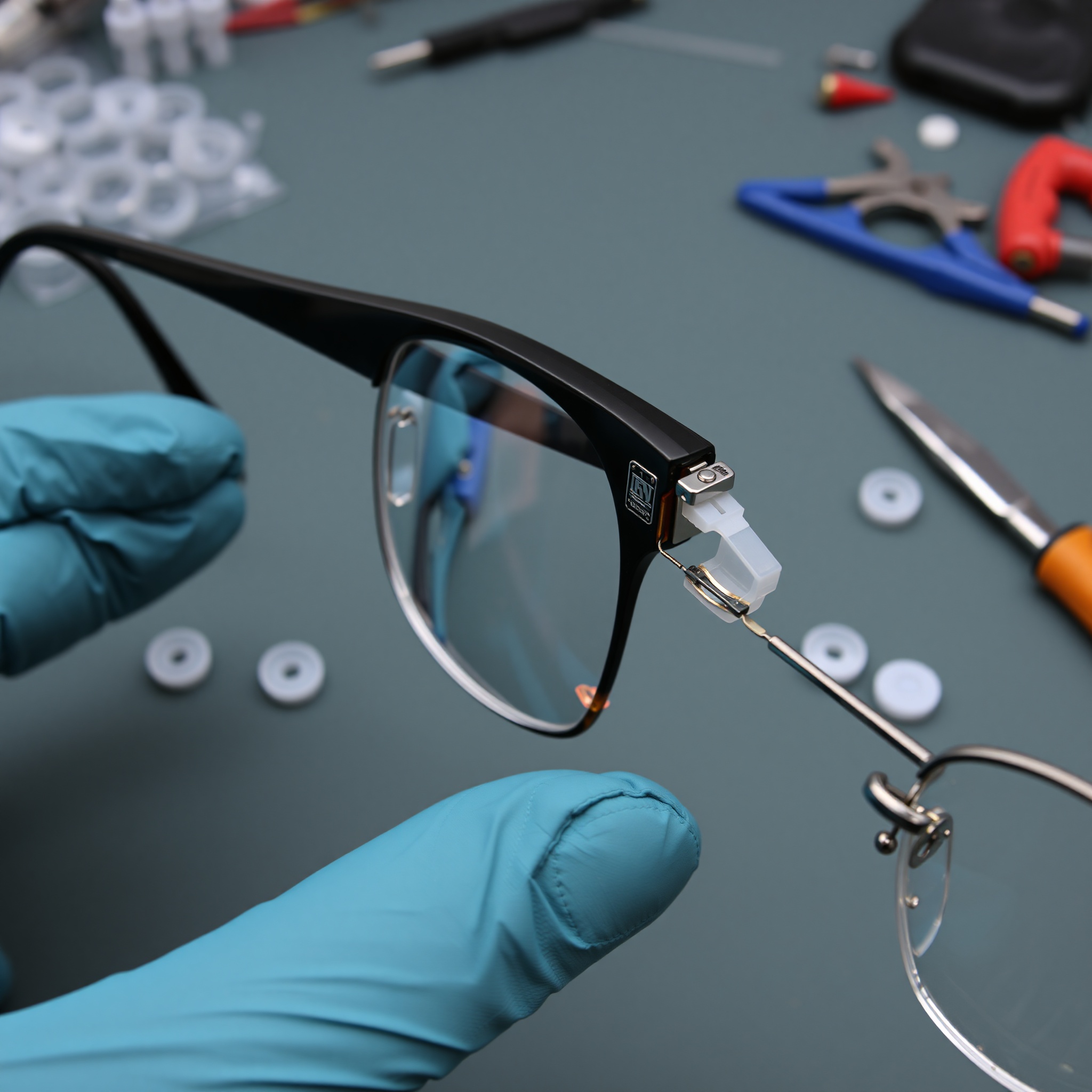
Replacing Hinges
Damaged hinges can sometimes be replaced without replacing the entire frame. Remove the screw connecting the hinge, slide out the old hinge component, and insert the new one. Ensure proper alignment before tightening. Replacement hinges are available for most popular frame models from optical supply retailers.
Step-by-Step Adjustment Process
Follow this systematic approach to adjust your frames for optimal comfort and fit. Proper adjustment significantly improves visual quality and wearing comfort. Take your time with each step and make small adjustments rather than large ones.
Inspect and Clean
Start by thoroughly cleaning your frames with warm water and mild soap. Remove any dirt or debris that might hide damage. Dry completely with a soft cloth. This allows you to see any issues clearly and ensures you’re working with a clean surface.
Check All Screws
Using the appropriate screwdriver, gently check each screw. Turn clockwise to tighten any that are loose. Pay special attention to temple hinges, bridge screws, and nose pad attachments. This simple step solves most frame issues and should be your first troubleshooting step.
Test the Fit
Put on your glasses and observe how they sit on your face. They should rest comfortably on your nose bridge with temples sitting flush against your temples. The frame should feel balanced—not tilting to one side. Check that lenses are properly centered for your vision.
Adjust Bridge Height
If frames sit too high or too low, you may need to adjust the bridge. For some frames, the nose pads can be repositioned slightly. Others require careful bending of the bridge area itself. Make minute adjustments and test fit repeatedly to achieve the right height.
Adjust Temple Angle
Temple arms should wrap comfortably around your ears without pressure or gaps. If temples are too tight, gently bend them outward. If too loose, bend slightly inward. Make adjustments while the frame is on your face to gauge proper tension and comfort level.
Final Inspection
Wear your adjusted glasses for several minutes to ensure comfort. Check that vision is clear and undistorted, that frames feel balanced and stable, and that there are no pressure points. If needed, make fine adjustments and retest until everything feels perfect.
Pro Tips and Best Practices
Use Proper Tools
Invest in a quality eyeglass repair kit with precision screwdrivers in various sizes. Using the wrong size screwdriver can strip screw heads and damage your frames. Most kits cost under $15 and last for years, making them excellent value for regular frame maintenance.
Heat Adjustment Safely
When adjusting plastic frames with heat, use warm (not hot) water or a low-heat hair dryer setting. Excessive heat can warp or damage plastic frames permanently. Always allow frames to cool completely before wearing them to avoid burns or further damage.
Work Gently and Patiently
Frame materials are delicate. Apply gentle, consistent pressure rather than force. If something doesn’t adjust easily, stop and reconsider your approach. Forcing a repair often causes more damage. Many optical shops will perform free adjustments if you’re unsure.
Inspect Regularly
Check your frames monthly for loose screws or signs of wear. Regular maintenance prevents small issues from becoming major problems. Many frame damage situations can be prevented with simple preventive care and timely tightening of screws.
Store Properly
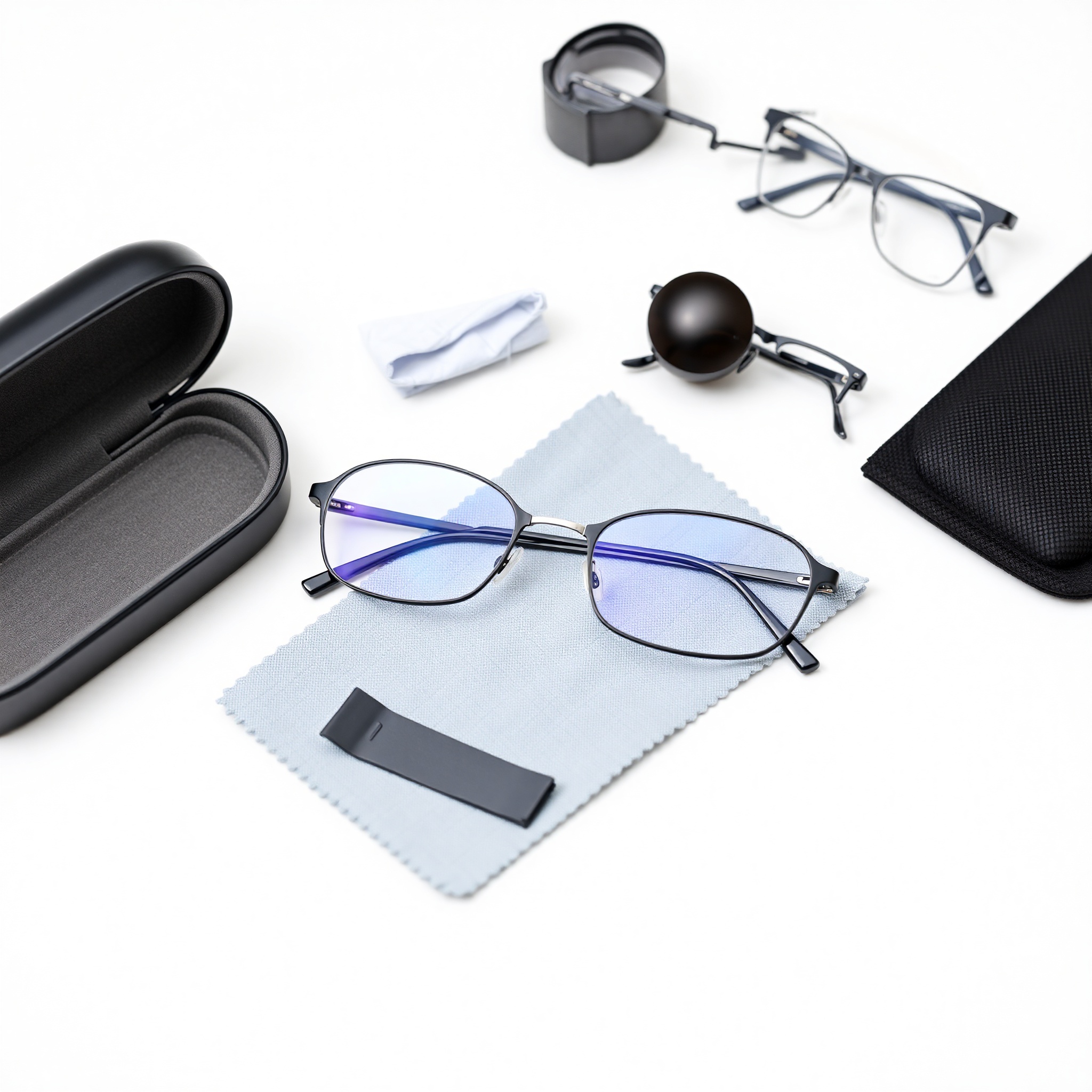
Always store glasses in a protective case when not wearing them. Avoid placing them lens-down on hard surfaces, exposing them to extreme heat or cold, or leaving them in cars. Proper storage prevents damage that would otherwise require repair or replacement.
Know When to Seek Help
If frames are severely damaged, cracked, or if you’re uncomfortable performing repairs, visit a professional optician. Many optical shops offer free adjustments and can handle complex repairs that DIY methods can’t address. Professional help ensures your frames are repaired correctly.
Keep Your Frames in Perfect Condition
Frame repair and adjustment doesn’t require specialized skills or expensive equipment. With basic knowledge and the right tools, you can handle most common issues independently, extending the life of your eyeglasses significantly. Regular maintenance and prompt attention to small problems prevent them from becoming major issues that require professional service or frame replacement.
The investment in a basic eyeglass repair kit pays for itself quickly through DIY adjustments and repairs. Whether you’re tightening loose screws, straightening bent frames, or adjusting temple length, the techniques covered in this guide give you the confidence to maintain your glasses properly.
Remember: Most frame issues are preventable through proper storage, regular maintenance, and careful handling. Inspect your frames monthly, store them in a protective case, and address small issues immediately before they become major problems. With these practices, your eyeglasses will remain comfortable and functional for years to come.